
Nissan is in an interesting predicament with the Japanese auto giant struggling to survive as it seeks to reverse a slide in sales while also recovering from a botched attempt to merge with rival automaker Honda.
But despite the overwhelming odds against it, Nissan is continuing to engage in talks with other firms and a new report confirms the company is restarting talks with Taiwanese firm Foxconn in an attempt to make use of some of the excess capacity at its plants so the company can build its own EVs.
Foxconn eying production space for its EVs

At one point, Foxconn was one of the early candidates for a partnership with Nissan with the company even saying it was open to accquiring a major stake in Nissan to help it get access to EVs, software, and joint production. However, it appears the Taiwanese firm is embarking on a new strategy with a report from Nikkei suggesting Foxconn is now interested in taking some of Nissan;s excess production capacity to produce EVs.
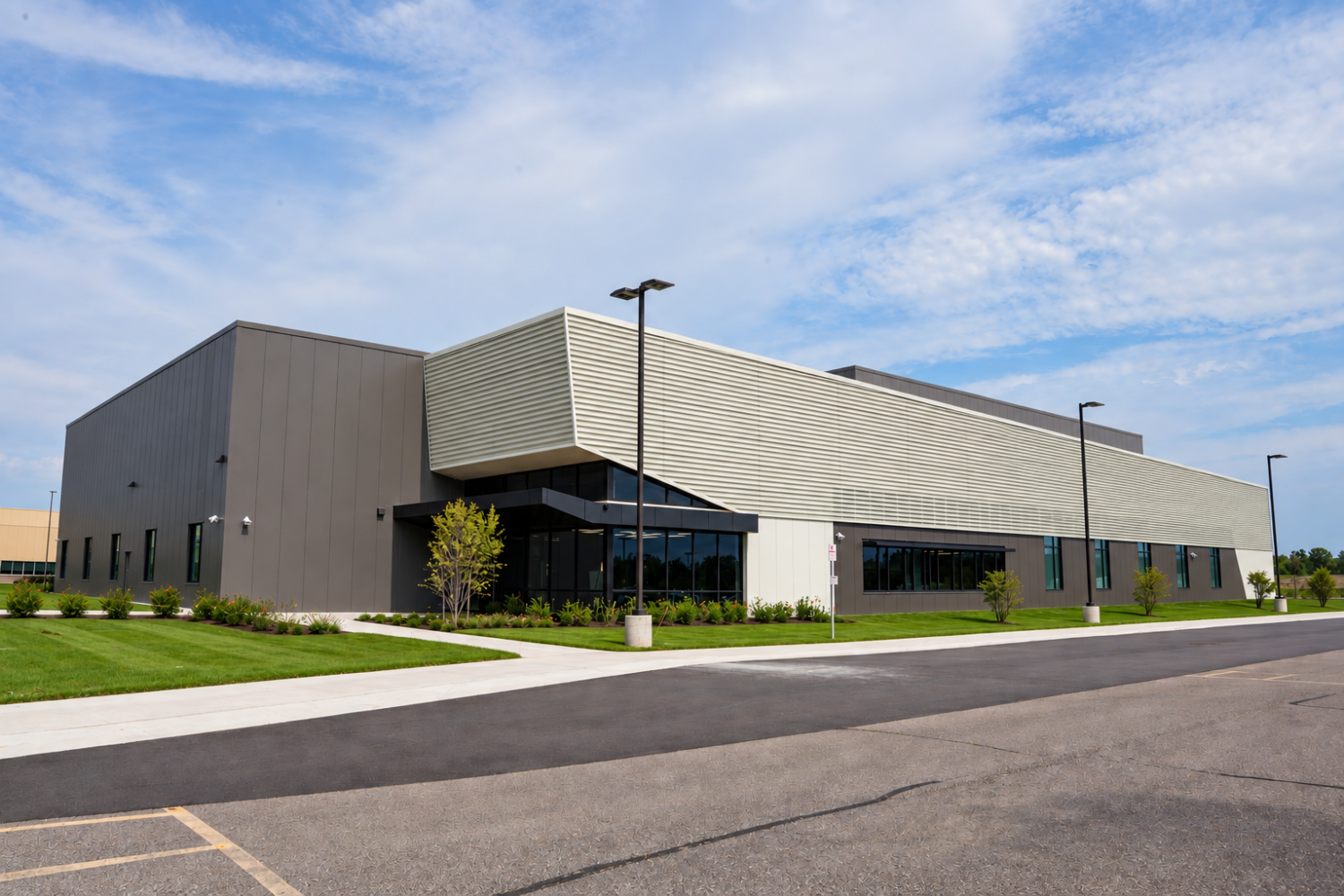
If this script sounds familiar, it’s because it’s similar to what Chrysler and the ailing American Motors Corporation cooked up in the 1980s with the former firm using the latter’s production capacity at Kenosha, Wisconsion to produce full-size sedan models. This time though, Foxconn would use excess production capacity at Nissan’s Oppama plant which is located south of Tokyo. This sprawling plant employs over 4,000 people and includes a test track, R&D facility, and a port. However, it’s also a potential target for closure with Nissan saying it’s planning to shutter seven assembly plants and reduce its footrpint from 17 facilities to only 10 over the next few years. It’s also part of a broader turnaround plan to enact cost cuts of 500 billion yen by fiscal year 2026.
Foxconn has EV manufacturing in its sights

Foxonn has long been known as a contract manufacturer, but it’s also had noticeable ambitions to enter the EV maket with the company recently entering an agreement with Mitsubshi (Nissan’s partner) via its separate subsidiary Foxtron to produce an EV under its own brand that would be sold in New Zealand and Australia starting in 2026.
While these early moves in international markets have produced some early successes for Foxconn, it’s attempts to build EVs in the U.S. have not been so successful though it’s not the fault of Foxconn themselves. Instead, it has been the victim of unfortunate circumstances with a prior agreement to use bankrupt Lordstown Motor’s old plant in Ohio to build Fisker Pears collapsing after Fisker went bankrupt in 2024. It will be interesting to see what Foxconn will do next in the U.S. (it’s currently using Lordstown to build electric tractors for Monarch) but some of these potential talks with Nissan could help Foxconn build a better foundation for EV production in the U.S.

Leave a Reply