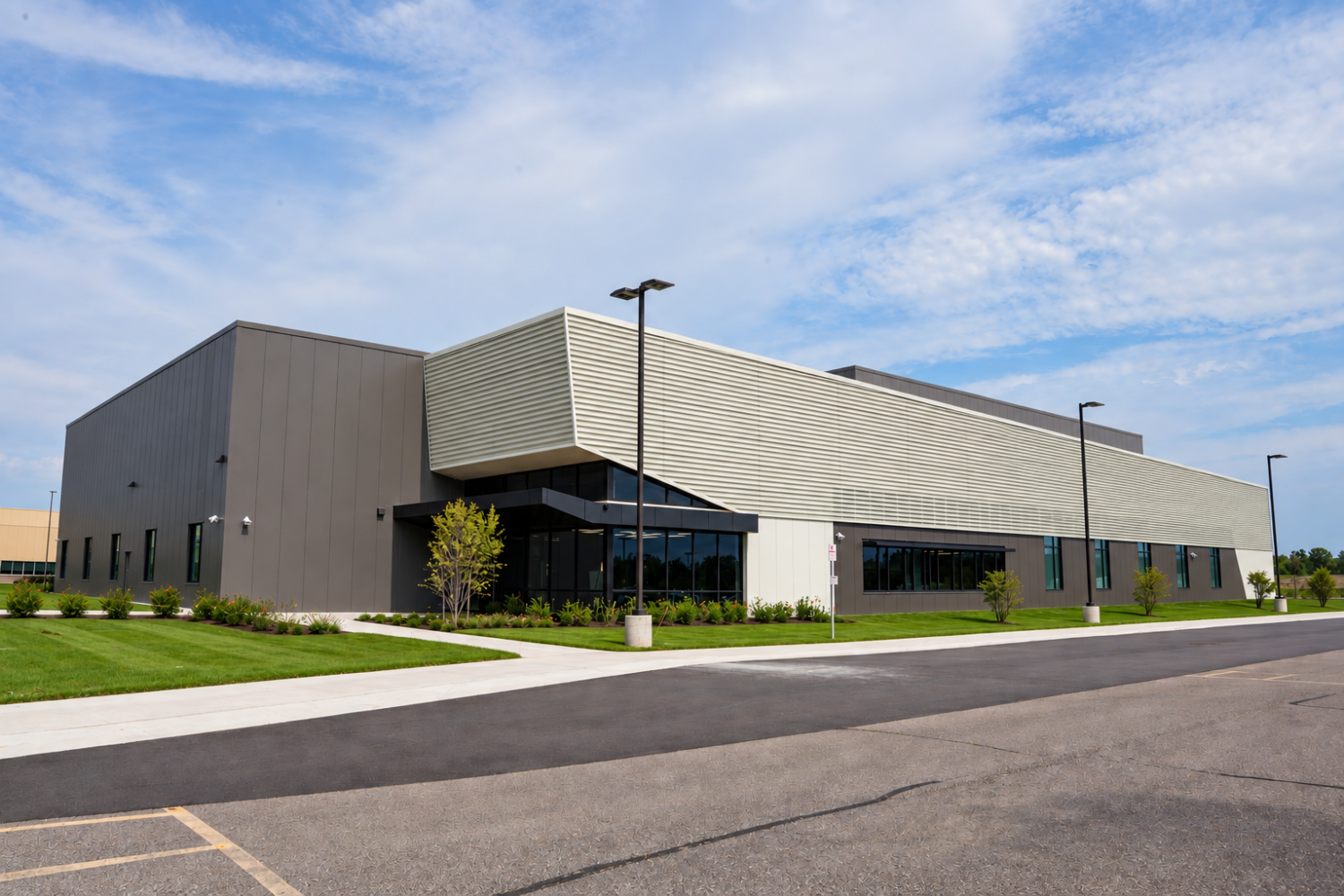
Toyota announced it would be opening a new battery research center on its Research and Development campus in Saline, Michigan. The new facility is supposed to help the company improve its battery development process while also sharpening its focus on battery technology.
The company invited us out to its new facility to see how it will help add newfound capabilities to the research process while also becoming a key link in its “Multi-Path” strategy.
A central hub in its battery research goals

The new 30,000-square-foot facility officially opened on October 1st and will allow the company to research and develop batteries at all points of the process, from sourcing the raw materials themselves to the battery packs before they are ultimately recycled.
Like other research facilities, this battery center is designed to push the battery packs and their components to the limit with extreme use and environmental testing. The facility can also test and develop tech for hybrid and plug-in vehicles alongside full EVs, which allows the new facility to provide an extreme amount of flexibility to the research process.
“Toyota has long been at the forefront of battery development,” stated Keita Moritsu, Senior Vice President and Chief Technology Officer at Toyota Motor North America R&D. “This center is where that leadership expands to North America — and where we’re building its next chapter.”
Strategic location helps garner strong political support

Toyota’s decision to host the facility on its R&D campus is no accident, with the company using it as a key milestone for its 50th anniversary in Michigan celebration, with the company’s research presence in the region once being confined to a small garage in nearby Ann Arbor, Michigan.
Michigan Governor Gretchen Whitmer attended the event and praised the original investment, which was first announced back in 2023. “We are proud to welcome this investment by Toyota that positions Michigan as the best place to build the future,” Whitmer stated, while also stating the opening of the facility would help strengthen Michigan’s leadership role in advanced automotive manufacturing.
Congresswoman Debbie Dingell (D-MI 6)accompanied Whitmer to the grand opening and said the facility would help maintain the U.S.’s competitiveness against its foreign rivals. Dingell said, “The battery center is a tangible representation of what it means to keep Michigan at the cutting edge of innovation.”
Dingell added, “This facility is creating good-paying high-tech jobs, supporting American manufacturing, and ensuring that the next generation of automotive innovation happens right here in Michigan.”
Building the next chapter

With Toyota planning to launch more electrified vehicles over the next few years, the company sees the new U.S. facility as its way of building its next chapter when it comes to the company’s presence in North America.
“Toyota has long been at the forefront of battery development,” stated Keita Moritsu, Senior Vice President and Chief Technology Officer at Toyota Motor North America R&D. “This center is where that leadership expands to North America — and where we’re building its next chapter.”
The building blocks of this effort will emerge in the form of the Lexus TZ and the Toyota Highlander EVs. These two SUVs are bringing Toyota’s EV technology to the full-size SUV market for the first time, and they will be a key test for the company’s EV technologies in real-world use. This new facility is expected to play a key role in making this succeed, with Toyota reps even showing off the Highlander EV’s battery pack in the facility’s education area before starting our tour.
The new facility is also part of a broader investment strategy the company has undertaken in recent years, with the firm announcing a $1.34 billion investment a few days ago for a new EV plant in Argentina. Toyota is also doing this to keep up with rivals like Ford, who have announced similar EV investments.

Leave a Reply