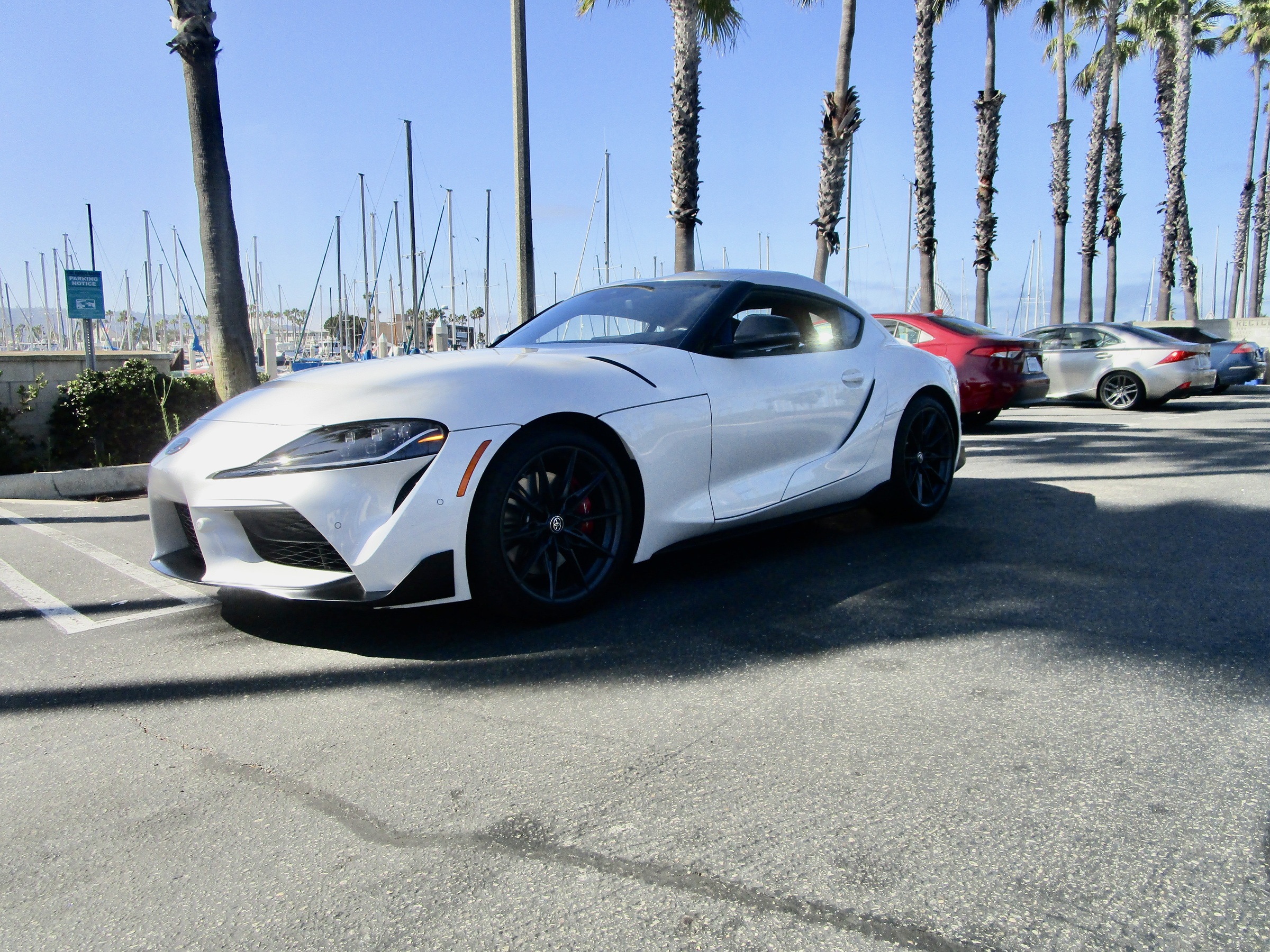
The dream of owning a new vehicle continues to be a primary goal for many Americans with automakers continuing to unleash new models to the buying public. However, the costs are steadily rising and more owners are finding a new vehicle is rapidly slipping out of their reach. This phenomenon has also created a surge in delinquent loans and repossessions which are rapidly reaching a crisis point which might threaten other aspects of the economy.
Loan delinquencies are spiraling out of control

This is according to a new report released by the Consumer Federation of America (CFA.) Titled “Driven to Default” the report reveals Americans now owe over $1.66 trillion in auto loans with some of this figure coming from pumped up interest rates that came as the result of inflation. The report also reveals that the broader auto finance ecosystem is at a “breaking point” and doesn’t mince words when it comes to criticizing Congress and federal agencies for rolling back protections despite the report showing that they might be needed more than ever.
The higher cost of monthly car payments is a prominent ball and chain with the average household paying $745 a month on a loan with other households paying over $1,000. This money has to come from somewhere and some buyers are often forced to cut back on other things (including necessities) to cover the cost of the payments. But while it’s easy to write it off as a problem limited to sub-prime borrowers, other borrowing groups are also feeling the heat with the report saying new car buyers are now twice as likely to fall behind on payments with repossessions jumping by 43 percent.

“Now is the time for policymakers to take a hard look at the auto lending market to call out exploitative practices that raise prices and require our federal regulators to stop sleepwalking their way through this crisis while Americans suffer,” the organization suggests.
What can consumers do about it?
While alot of the changing market conditions are beyond the control of consumers, there are some core changes that consumers can make to weather the storm. A big one is taking a close look at their current financial situation before deciding to buy a new vehicle. Sometimes, buying a used older vehicle that has been well cared for can be a strong investment while also delivering the core driving experience that these buyers want.
If you do have to go for a new vehicle lease though, it’s a good idea to have someone you trust look through the terms of the lease with you so you can get a big picture understanding of what your potentially getting into before signing on the dotted line. It will be interesting to see how the auto finance landscape changes in the near future especially with the Fed potentially lowering interest rates later this week.



Leave a Reply