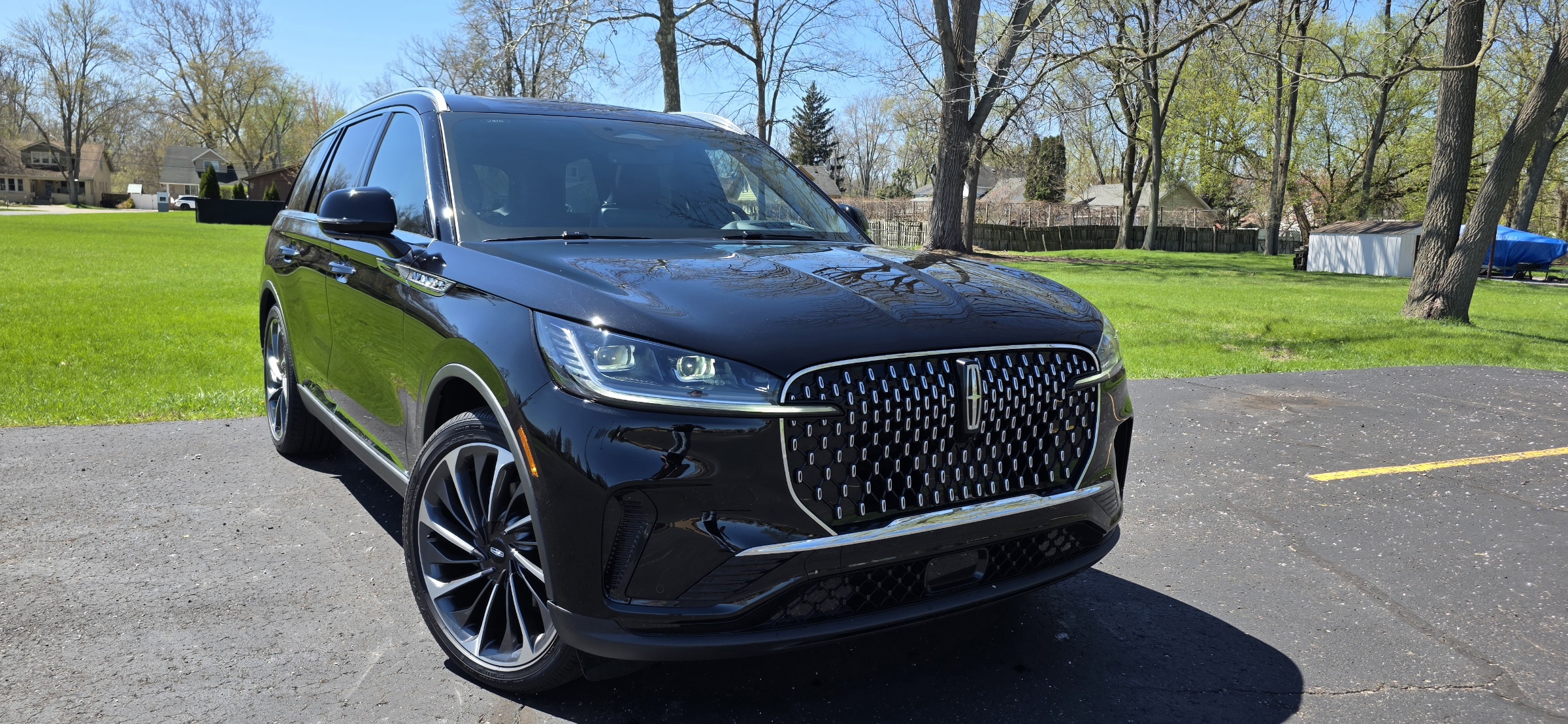
The Lincoln Aviator was supposed to be Lincoln’s bread and butter SUV, a model that would be the right fit for buyers looking to move up from a Lincoln Nautilus but were not ready to pay the big bucks for the flagship Lincoln Navigator.
It’s Explorer based platform promised a sportier exprience but has the Aviator succeeded as the brand continues to struggle with dipping sales (the Navigator excluded) we wanted to find out.
Unchanged exterior still projects a sporty image

The Aviator’s exterior styling was updated a short while ago and as a result, 2026 models are largely carried over from the outgoing 2025 models in that regard and prefer to let these updates do the bulk of the talking. The vast majority of the changes are found in the front end with all Aviators getting a reworked front grille that’s bigger than before and tweaked headlights.

Other than this noticeable change, the rest of the Aviator is carried over with the side profile and the rear styling all being unchanged. This is obivously an attempt to maintain a high degree of familiarity with customers and Reserve models like our tester push this message the most. These models get slightly less chrome trim than higher grade models but they still look fancy enough for a trip to the country club or a cruise through downtown Birmingham.
Tech filled interior continues to excel

Slip inside the Aviator and you’ll find that the cabin continues to be a strong blend of luxury and technology. The Aviator can seat 6-7 passengers depending on seat layout and this is great for families that need to haul children and their friends to events or even adult passengers.
The second-row captain’s chairs are very comfortable and owners that opt for these thrones can also choose from two different center consoles with one of them allowing easier access to the third row seats. The main flaw here is the large hump for the transmission tunnel which eats up a large chunk of foot and legroom and can make the cabin feel tight for taller passengers.

Move to the front half of the Aviator, and front seat passengers will be rewarded with Lincoln’s Perfect Position seats. These seats offer an impressive array of adjustments (24 or 30-way) and even come with several massage functions. The only major change to be found is a packaging tweak for the Connectivity Package with this setup now including four-years of free complimentary WiFi. A 12.3-inch digital instrument cluster is standard and is paired with a 10.1-inch infotainment system. The latter gets standard Android Auto and Apple CarPlay capability. Higher trim levels allow the phone’s Bluetooth signal to unlock and start the Aviator in lieu of the key.
Turbocharged performance

Performance for all Aviators comes from a twin-turbocharged 3.0-liter V6 that makes 400 hp and is paired to a 10-speed automatic. This setup is similar to what you get in the Explorer ST. However, unlike the ST, the Lincoln’s suspension is tuned for comfort and lacks some of the raw edge the ST is known for in cornering. Instead, you get better isolation from bumps and butter smooth ride quality.
The steering is also very light but the engine is capable of getting to 60 mph in 5.4 seconds for models like our Reserve tester. Black Labels get the job done in 6.0 seconds but we suspect that’s due to the slightly heavier curb weight from some of its trim exclusive goodies.
The EPA says the 2026 Lincoln Aviator can get 18/25 mpg in city and freeway driving. This might seem a bit thirsty in a world where high gas prices have forced some to rethink their gas budgets, but it’s actually on par with the segment .
Value Quotient

Befitting its place in the lineup, the Aviator straddles the line between the Nautilus and Navigator with the base Premiere model starting at $56,910 before taxes and options. A Reserve model like our tester serve as the middle ground and come with a base price of $66,730. Options and those pesky fees caused our tester to surpass $80,000. The Black Label model starts at over $85,000 and can go over the $100,000 mark.
This pricing is a very bitter pill to swallow and if we had our say, we would actually stick with the Premiere model. It might be the base model, but it comes with an impressive amount of standard equipment which is more than enough for most people. It also won’t raise as much questions as the Reserve or Black Label models will when your friends ask about your purchase.

We also look forward to seeing more extensive updates in the near future since the Aviator is overdue for more tech upgrades. The core blueprint is strong, but with the Nautilus and the Navigator pushing the tech envelope, it would be cool to see the Aviator get a bigger slice of that pie.

Leave a Reply