
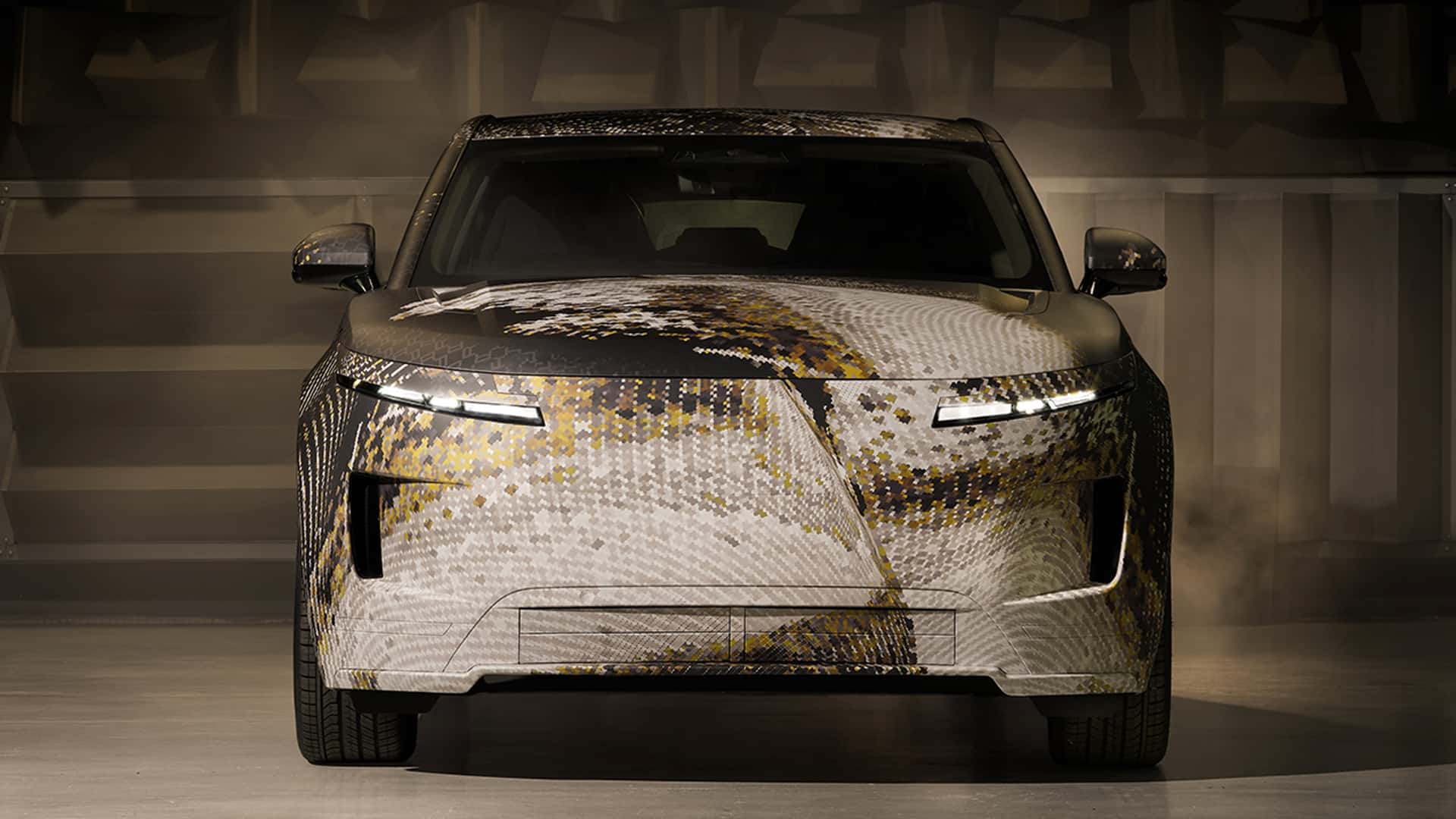
It has been less than a year since Rivian revealed the smaller R2 SUV with the company even inviting us and several other members of the media out to their Michigan tech center to see the R2 in person as well as learn how the model was developed in-house.
The company has made alot of progress since then and it has confirmed that the model is now entering the manufacturing validation build phase (MVB) as Rivian continues to make sure all the final bugs are ironed out of the system.
MVB phase a big step forward for Rivian

MVB builds like this first wave of R2s that are flowing out of the Normal, Illinois assembly plant are not meant for customers. Instead, these pre-production vehicles are used for the final stages of testing while also giving the company enough stock to also successfully go through registrations, validations, and other testing.
As a bonus, it also gives plant workers the opportunity to get some practice in building the R2 on the production line and Rivian is using the opportunity to spot any potential hiccups before they make their way to customers with MVBs often serving as the last layer of defense against any pre-production glitches that might slip through the cracks.
The sheer speed of progress as a whole for the R2 has been impressive especially when you consider the construction of the R2 related expansion to the facility took place a year ago. Rivian is also keenly aware of just how important this model is with the firm planning to sell 150,000 R2s a year.
Less is more defines the R2
When it comes to the R2, Rivian is clearly attempting to convey the point that less is more especially with the R2’s size. The SUV is noticeably smaller than the R1S with the R2 losing the third-row to become a true two-row offering.

However, the SUV is still longer than the Tesla Model Y and is also on par with other rivals like the Ford Mustang Mach-E, Chevrolet Equinox EV, and the Volkswagen ID.4. In stark contrast, the pricing ladder will be higher than rivals with a base R2 starting at $45,000 which is noticeably less than the R1S but might prove to be a tough sell for some buyers who don’t have the $7,500 Federal EV tax credit to help cushion some of the financial blow.
That said, Rivian is hoping some of the R2’s innovations and standard equipment will make up for the initial sticker shock. The model is the first to be underpinned by Rivian’s Mid Size Platform (MSP) and it will also come standard with a NACS charging port to allow it access to Tesla Supercharger stations. CCS charging is supported too but only via an optional adapter.
Rivian also revealed a portion of this round of testing will involve a road trip on Route 66 with the R2 stopping at landmarks along the way as part of a broader social media campaign the company will bed doing this year. Look for the R2 to also eventually gain an “S” at the end of its name to fall in line with the rest of the naming scheme.


Leave a Reply