The Toyota bZ4X was supposed to be a spearhead model for the company’s electrification efforts when it appeared a few years ago. Born out of a partnership with Subaru, the EV was the first fruit of a collaboration that also saw the debut of the Subaru Solterra.
However, it’s clunky name and awkward styling caused it to stumble out of the gate. Toyota is keen to fix this with the updated 2026 bZ but does a new face and a new name transform it into a better EV? We wanted to find out.
A new face and new identity

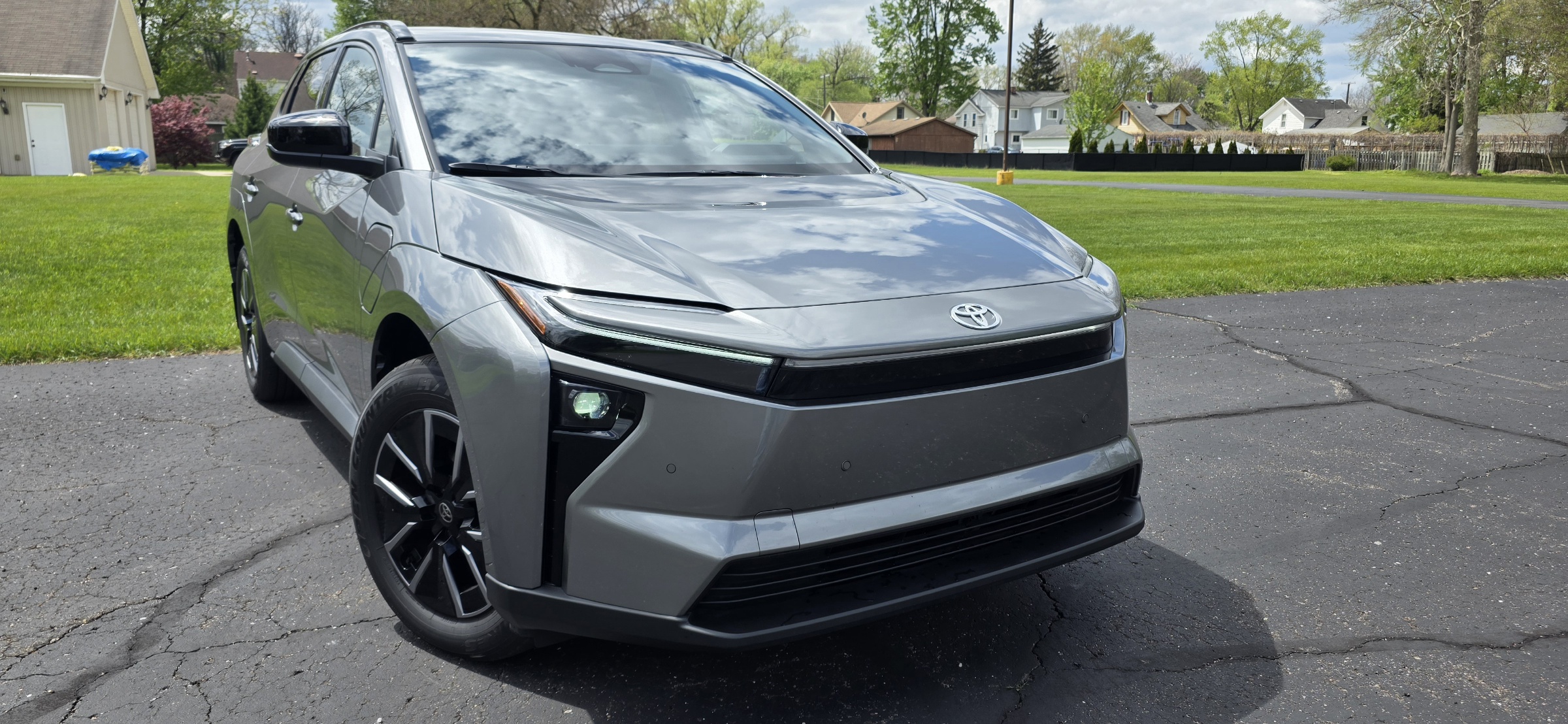
A major change for 2026 is a new front end which attempts to smooth out some of the old model’s rough edges. The look also allows the bZ to have a better resemblance to its bigger cousin and fellow collaborative fruit the bZ Woodland. The new headlights and grille panel give it a sportier apperance but the changes don’t extend much beyond there with the side profile and the rear styling retaining their strong link to the Solterra.

In addition to its new mug, the name has also been simplified. The “4X” portion of its name has been scrapped and bZ is the new name. It rolls off the tongue much better and it also allows it to be a better fit within the broader brand identity Toyota is trying to achieve here. When viewed as a whole, the bZ still blends into traffic and while this may send more attention seeking customers to the recently unveiled CH-R EV, older buyers and some of the empty nesters the company is trying to target with this model won’t mind at all.
Comfort is bZ strong suit
Slip inside the bZ and you’ll find the cabin continues to be a comfortable place to spend time in. The dashboard was redesigned for 2026 and it not only attempts to improve the sight lines but it also addresses some of the weirder elements that used to define the outgoing one.
The front seats are clearly focused on comfort but the bolstering is shaped in a way that can also provide decent amounts of long-distance bliss. The wide center console has open storage underneath and also comes with two wireless phone charging pads. The open storage space is also the other main storage area you get beyond its various nooks and cubbies since the glovebox was sacrificed for weight savings.

The bZ has no frunk either but the rear cargo area can hold up to 28 cubic feet of stuff. That’s less than the RAV4 but still very usable real estate for most people. Second row passengers have decent amounts of leg and headroom but there’s not much in terms of frills. A large 14.0-inch touchscreen infotainment system is standard and follows Tesla’s lead in being a key control area for various features. Wireless Apple CarPlay and Android Auto is standard and buyers can get either a six or nine-speaker stereo with our tester having the former.
Urban ready performance

The 2026 bZ is not the sportiest EV in the world but buyers can choose from several all-electric powertrains. Front wheel drive models like our tester get a front-mounted electric motor that allows them to make 168 hp with Plus and Limited models boosting that up to 221. A second electric motor is also available which makes a combined system output of 338 hp (a small gain from last year) and gives the bZ all-wheel drive. The latter can make the sprint to 60 in 4.0 seconds but our FWD example needed a sluggish 7.0 seconds to achieve the same feat.
Ride and handling characteristics have also been improved but the bZ is still not a track darling and its overboosted steering and narrow tires discouraged us from exploring its paper thin cornering limits. Base XLE models like our tester get 236 miles of range with the max 314 rating being only available on the Plus variant. Limited FWD models get 299 miles on a single charge. Dual-motor models have the biggest decrease in range (an expected trade off for their performance) with these models getting 288 miles.

All 2026 bZs get NACS charging ports which allows them to charge at Tesla Supercharging stations with the company also saying the bZ can go from 10 to 80 percent charge in under 30 minutes. Like Hyundai and other rivals, Toyota also has adapters available to help drivers hook up to older charging infrastructure.
Value Quotient…and an interesting problem

Pricing for the 2026 bZ is simple and straight to the point with only two trim levels available; XLE and Limited. Base XLEs like our tester start at $34,900 while the Limited starts at $43,300. The proverbial secret sauce here is in the underlying packages and options which can have a big impact on pricing. Go all-in and the XLE can easily go past $40,000 with the Limited also supassing $45,000 in a similar fashion.
This pricing is on par with rivals like the Hyundai Ioniq 5 but it also creates a core problem and that’s internal cannibalization from the CH-R. The CH-R has a higher base price of $37,000 but the range-topping $39,000 XSE is less than the bZ Limited. This trim overlap might pull away some bZ buyers who will go to the sportier CH-R XSE instead due to its lower price tag and spicier performance (the CH-R is also related to the Subaru Uncharted.)
However, if you’re a buyer who doesn’t need the extra pinch of sportiness and takes pride in having a no-nonsense EV, the 2026 Toyota bZ certainly checks all the boxes.


Leave a Reply