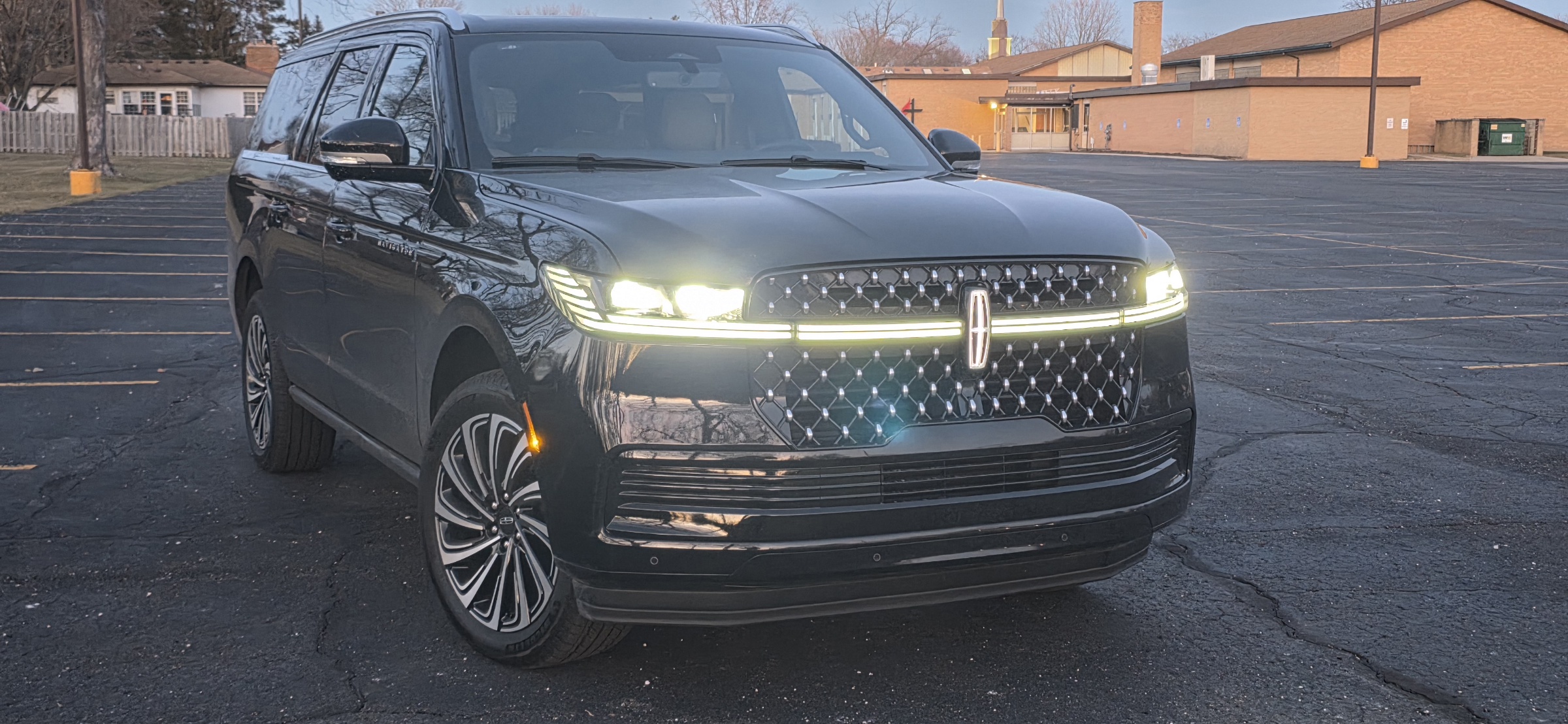
The 2026 Lincoln Navigator has the proverbial weight of the world on its shoulders in recent years. Lincoln has been in the middle of an SUV powered reboot, but so far the Corsair, Aviator, and Nautilus have all had sluggish sales. The prominent exception is the big Navigator which has continued to have strong performance.
This comes on the heels of a big reboot the model had a few years ago that brought new exterior styling and a revamped interior to buyers. But with the full-size luxury SUV market continuing to evolve, can the Navigator continue to be a strong contender?
Minor updates continue to define Navigator experience
With a big revamp under its belt, Lincoln chose to focus on some light housekeeping and other updates for 2026. The base model gets dropped to help make way for the return of the Premiere trim with this trim bringing Navigator pricing down below the $100,000 mark even in its stretched L form.

Our tester was a range-topping Black Label L but other than that and some other minor changes, the big Lincoln carries over mostly unchanged. The exterior styling is bold and distinctively Lincoln but in our eyes, it lacks some of the eye-popping appeal that defined the older Navigator. This is especially true at the rear which feels like it blends in too much with other traffic and as a result, the SUV can be easily mistaken for rivals when viewed at a distance. The front end is better looking, but we’ll come out and say it, we liked the old one better. L models add more length to the rear in an attempt to boost room in the third row, but they manage to do this without changing the wheelbase.

The light touch also means Lincoln didn’t change the wheel options on Black Labels either. Beefy 24-inch hoops are available as an option in several different styles, but we recommend sticking with the smaller 22-inch wheels, they still look very sharp and should please the needs of most buyers just fine.
Navigator interior is an oasis of luxury

Slip inside the interior and you’ll find that the cabin continues to be awash in high quality materials and tech. While the lower Premiere and Reserve trims are posh in their own right, the Black Label is the one to go to if you’re looking for all-out comfort.
Our Black Label arrived with a tasteful black and tan color scheme and tasteful applications of wood trim. The front seats offer a myriad of adjustments and are heated and cooled with built-in massage capability. A glass control knob dominates the center stack and is nestled beneath the piano key style shifter buttons. Front leg and head room is abundant and the driving position gives you a commanding view of the road and the large 48-inch panoramic display screen.

This view also highlights a key foible in the interior, the steering wheel. Lincoln chose to go for a squared-off design but it feels odd in your hands and the haptic feedback control banks on each side of the spokes are frustrating to use with the “buttons” appearing on each corresponding side of the panoramic display within eye sight. While we get where Lincoln was going with this, we hope analog buttons will eventually make their way back in.
After you have a moment to get used to the steering wheel, you can get back to enjoying he finer things in life thanks to Lincoln’s Rejuvenate feature. Lincoln says Rejuvenate is supposed to be a spa on wheels and this formerly Black Label exclusive can now be equipped to the mid-level Reserve. To use it, you select it in the apps menu and then pick from one of several themes. Each one uses lighting, scents, the seats and the panoramic display to create an environment that’s supposed to promote various stages of relaxation.

Second row passengers also get plenty of room and a good amount of amenities including their own large center storage console, rear climate control and rear heated seats, and their own touch controls with the passengers getting chauffeur mode which allows them to independently move the front seats forward and back to get more legroom. The third row can hold adults if needed but it’ll usually be left for children most of the time. These seats can also be folded down to boost rear cargo room. Like the Ford Expedition, the Navigator gets a two-piece split liftgate but it also creates the same problem with high liftover when loading bulkier items.
Carryover performance
Performance for the 2026 Lincoln Navigator continues to come from a twin-turbocharged 3.5-liter V6 that’s shared with the Ford Expedition and continues to make 440 horsepower. A 10-speed automatic is the lone transmission available and the combination allows the Navigator to have confident driving manners. It’s not out right sporty in anyway (even in Sport mode) but the engine does promote a strong sense of serenity and comfort.

This focus on serenity is also reflected in the steering. The Gator’s tiller is not the sharpest in the SUV ranks but it still provides a balanced amount of comfort and feel. Fuel economy is on par for the segment with the EPA saying the Navigator can get 17/15/22 mpg in combined/city/freeway driving.
The other key item is Lincoln’s BlueCruise system. The setup is somewhat similar to GM’s Super Cruise with Ford’s allowing the equipped vehicle to not only provide hands-free driving, but also automated lane changes.
A welcome update we noticed versus our prior experience with it in an older Corsair is that the system does a better job responding to speed changes when going through areas with alternating speed limits and will not abruptly brake to adjust as the Corsair did on Van Dyke Freeway. Instead, the Gator passed through those choke points with little fuss.
Value Quotient

Pricing for the 2026 Lincoln Navigator starts at $91,995 for the base Premiere model with the L treatment adding a slight premium to the price causing it to go up to $94,995. This also exists in the other two trims with the mid-level Reserve starting at $104,995 with the L treatment.
Our range-topping Black Label L had a base price of just over $122,000 but options and taxes and fees caused the final price to go just over $128,000. This pricing puts the Navigator in the same pricing bracket as a Range Rover and also puts it in the crosshairs of its domestic rival the Cadillac Escalade.

However, unlike those two, the Navigator is attempting to remind buyers of a time when old school luxury ruled the road and this focus on subtle charm and comfort may please buyers who want a big SUV but are willing to trade a V8 and sporty handling for a plush ride and plenty of tech at their finger tips.
Leave a Reply