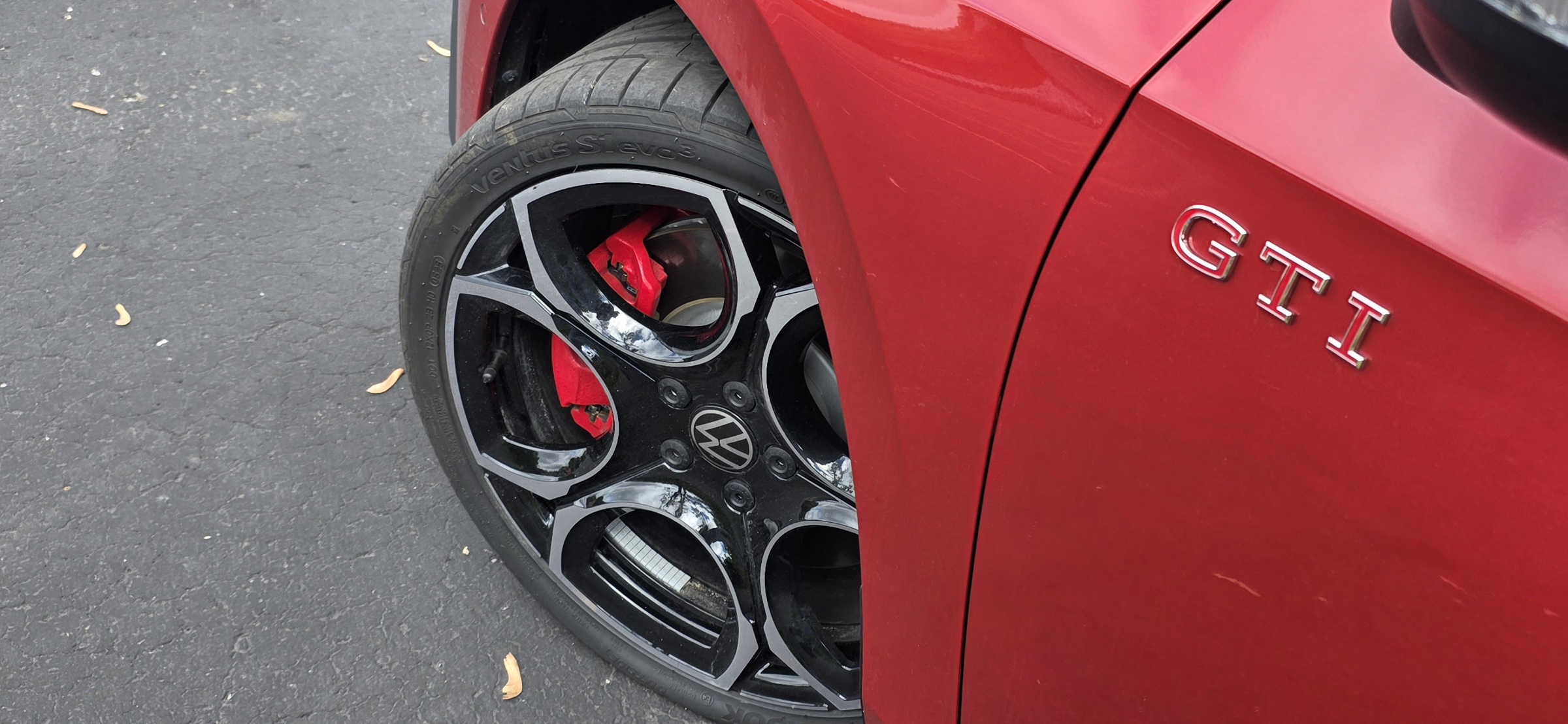
Volkswagen has been a company that has always been very methodical when it comes to production and some of the scale that comes with it. For decades, the company embraced a simple formula of building many of its products in Mexico before shipping them onward to the United States, a system that worked well for decades.
However, tariffs have exposed cracks in this plan and Volkswagen recently admitted that it’s no longer viable to continue this approach and is forcing some serious discussions about how VW will navigate this new landscape.
The economics have become toxic for Volkswagen

This is according to a new report from Automotive News Europe which revealed Volkswagen is facing increased tariff pressure as rates on Mexican built cars entering the U.S. have reached 27.5% per vehicle. This has left Volkswagen exposed with the company sending 70% of its Mexican built cars to the U.S. while luxury brand Audi sends 90% of its vehicles north.
This exposure has already caused real pain with Volkswagen’s CFO Arno Antilitz admitting that tariffs imposed during 2025 have already added $3.3 billion in extra costs while CEO Oliver Blume outright admitting that this export scheme is no longer viable. Those are troubling things to hear especially with U.S. sales falling by 12% and market share being stuck at 4%.
Production shift being explored, customers will feel the pain

With Volkswagen ow being put in a squeeze, he company is exploring ways at reducing the pain. One idea is to move more production to the U.S. which would allow VW to reduce its exposure to tariffs.
While this would ultimately have good long-term rewards, it comes with steep costs upfront and increase lead times with Blume himself saying that the company will not invests into new U.S. production while also continuing to absorb the hit from increased tariffs. Volkswagen is also dealing with decreased profits and has been exploring ways to cut global costs up to 20%. This has resulted in potential job cuts that could see tens of thousands of workers without a job and the move has already received some pushback at home from powerful German labor boards.
In the end, Volkswagen’s sales woes could ultimately be passed down to ordinary consumers. This might come in the form of increased vehicle prices, reduced options for incentives that help power some of these sales, and potentially fewer models as automakers reduce their tariff exposure by removing certain vehicles from the U.S. market and forcing dealers to work with a leaner lineup of vehicles to try and recoup some of these lost profits. We have seen a glimpse of this with VW pausing U.S. production of the slow selling ID.Buzz EV van for 2026.


Leave a Reply