BMW made it clear that its upcoming Neue Klasse series of vehicles were going to be the most significant in its history and the first family of vehicles to truly push BMW into the EV ranks.
The iX3 provided a glimpse into how the Neue Klasse philosophy would work on an SUV but the newly unveiled i3 is applying the same magic to the venerable 3-Series in a move that also marks a key transition point for the model.
Neue Klasse styling mixes retro with modern styling elements

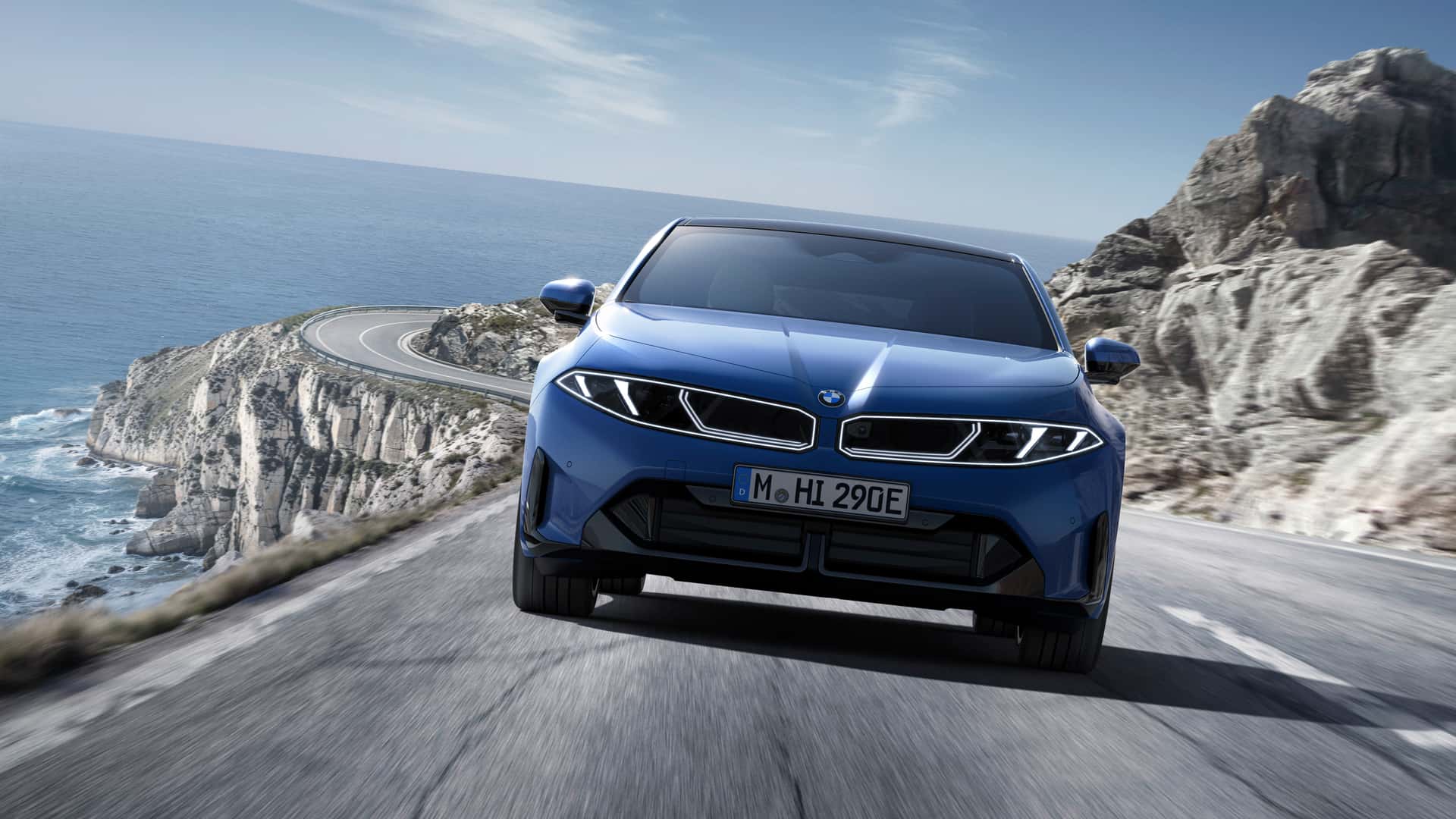
With the Neue Klasse architecture bringing such a massive amount of change to the 3-Series, it’s no surprise the exterior styling has been heavily reworked. The i3 is the all-electric version of the 3-Series but the front end thankfully returns to form with the grille panel featuring small twin-kidney grille elements (reversing the large beaver tooth look seen in recent years.

BMW’s four element lighting is still present and the architecture introduces what BMW calls “a modern 2.5 box design.” The clean body lines and the short stance give it a sporty presence while the long wheelbase boosts its profile. The rear of the i3 gets new lighting that builds on the width of the car and allows the whole thing to have a unified simple look. The one thing that won;t be simple is the name with BMW living up to tradition in that regard by formally calling it the BMW i3 50 xDrive
Futuristic interior is comfort and tech filled oasis

Slip inside the i3 and the interior immediately stands out thanks in part to the steering wheel. It has a weird squarish look to it but embraces a unique two-spoke design to help give the satellite controls the illusion that they are floating. BMW’s Panoramic Vision display projects critical data further into the driver’s line of sight and an optional 3D heads-up display system enhances this effect.
A large 17.9-inch touchscreen infotainment system handles the bulk of the work in the interior and BMW promises crisper graphics and the new Operating X operating system for faster responses. This system gets its digital brains from four computer that work together to provide 20 times more processing power than the company’s other systems.

Other updates include a new AI assistant and Digital Key functionality. A novel four-zone wiring layout helps reduce weight, simplifies the wiring needed to power all of the car’s systems, and also helps improve efficiency which is always a paramount thing to have in any electric car offering.
Dual Motor Performance
Thanks to the all-wheel drive system, this version of the i3 gets a dual-motor setup (one motor on each axle) which allows the setup to produce a combined system output of 463 horsepower and 476 lb-ft of torque. The big figure here however is range with BMW saying the i3 in 50 xDrive form can get an estimated 440 miles of range on a single charge.
If that estimate holds up, this BMW would have one of the best range figures yet seen in an EV. An 800 volt architecture allows the i3 to support up to 400 kW charging speeds and also give it the ability to not only have vehicle-to-load capability, but also vehicle-to-home and vehicle-to-grid abilities too.
BMW made sure the suspension could live up to snuff too and the rear gets a five-link independent setup and specially tuned stabilizer bars to sharpen up responses and reduce the battery pack’s impact on handling. Braking is largely done through regenerative braking and BMW’s “Soft Stop” feature but the physical brakes can step in during spirited or emergency driving to help provide extra stopping power if needed.
When can I buy one?
BMW stopped short of providing official pricing or a launch date for the i3 but it’s clear that that company is still serious about EVs despite shifting market conditions. It will be interesting to see how the Neue Klasse fleshes out as more models are released. While the iX3 and the i3 show what the platform can do in smaller vehicles, the true tests will be bigger vehicles which will compete in key segments for the German firm.

Leave a Reply