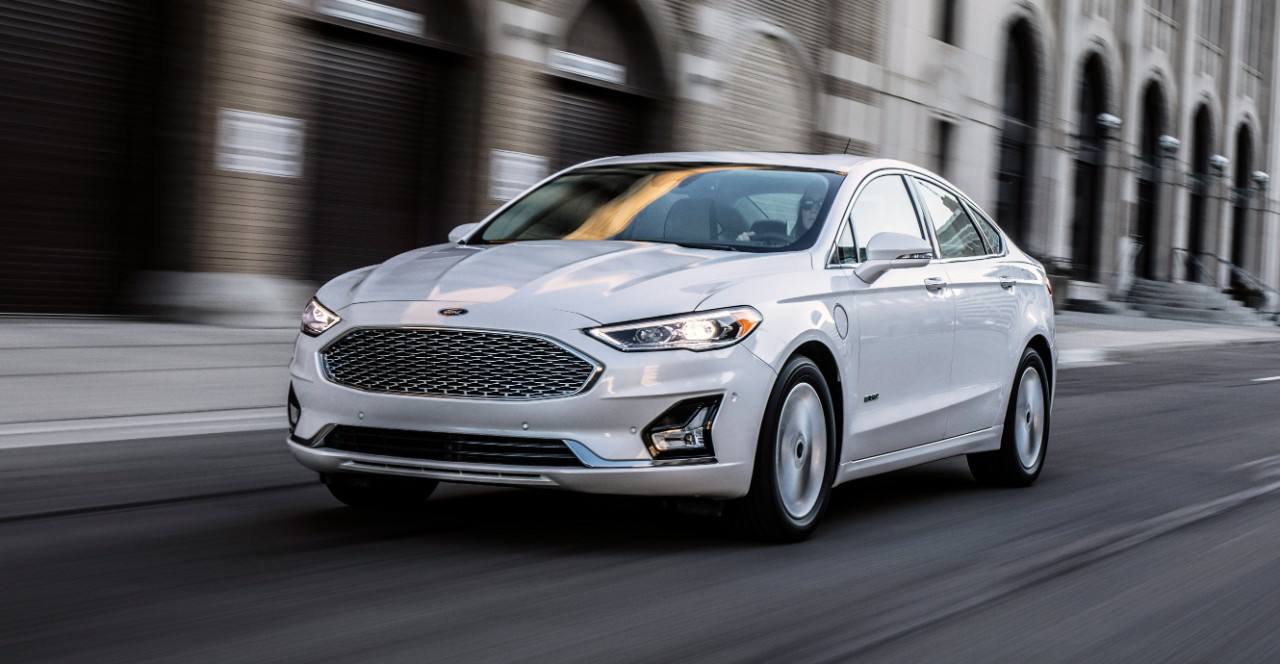
Ford hasn’t sold any formal sedans in the U.S. since 2020 when it axed the Ford Fusion from its lineup with dealerships slowly whittling through their remaining inventory either through sales or purchases by rental firms. The Taurus, Focus, and even the Fiesta also met the guillotine as the company embarked on a bold gamble on utilities and trucks (the iconic Mustang was spared.)
In a candid interview with Automotive News, Ford CEO Jim Farley revealed the real reason why the company axed sedans and it wasn’t just because of pressures within the sales market either.
Profits played a big role

Farley revealed that the company’s exit out of the four-door market was due to the company not being able to compete in the segment properly especially when it came to making a profit. “The sedan market is very vibrant. It’s not that there isn’t a market there. It’s just we couldn’t find a way to compete and be profitable. Well, we may find a way to do that.”
The last half of that statement signals Farley is open at potentially re-entering the market but only if it makes sense and is done at the right moment. With the domestic sedan lineup being wiped out ages ago, Ford would have to look overseas if it chooses to return. While the U.S. is sedan free, Ford still makes sedans for certain markets including China where the current generation Mondeo is sold. That model is several years old now and it would need an extensive update before it even thinks about coming here.
The Focus on the other hand is a subject best forgotten about with non ST and RS models suffering from a costly and rather infamous recall involving the dual-clutch automatic.
People still want sedans

Whenever Ford chooses to re-enter the sedan market, they will encounter a customer base that still wants sedans. Sales for models like the Toyota Camry, Hyundai Elantra, Honda Civic, and even the Volkswagen Jetta have risen with more buyers preferring to have a smaller vehicle and the equally smaller price tag that comes with them.
In addition to a lingering hunger for sedans, many customers want more affordability in general with the average car payment currently costing $748 a month and the average transaction price of a vehicle currently over $50,000. This could give Ford an opportunity to try and take advantage of this demand but with the company being out of the sedan market for so long, it would have to invest in considerable amounts of advertising and effort to help get the word out and that’s before the challenges of making it affordable in an era where high tariffs have become the new normal.


Leave a Reply