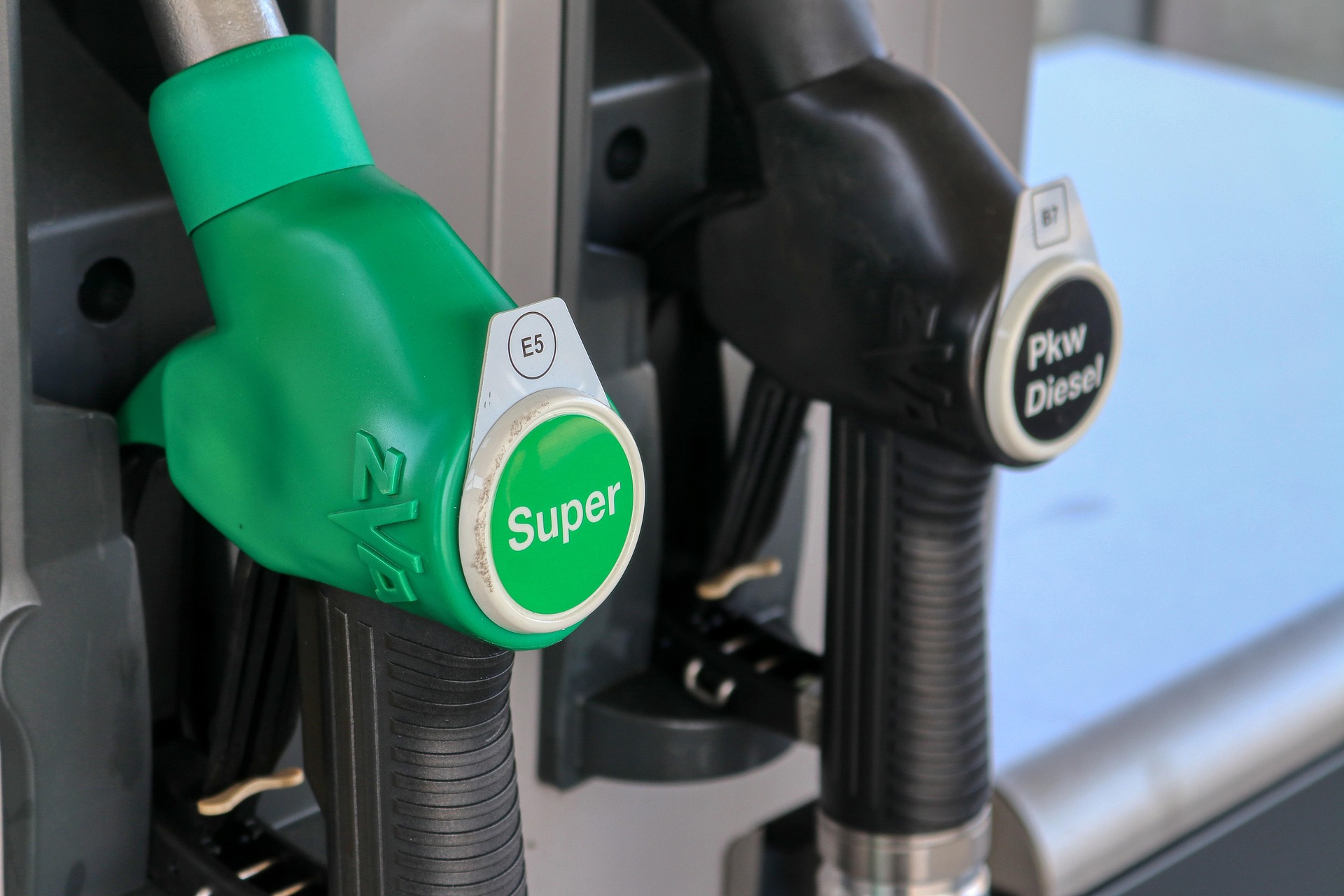
The war in Iran has seen energy prices spike as the global markets deal with Iran’s closure of the Strait of Hormuz which has choked energy shipments out of the Persian Gulf.
Here in the U.S. gas prices have seen a steady increase but for owners of diesel vehicles, they could soon be faced with a very painful reality in a few weeks as prices for that fuel inch closer to record highs
Diesel on the verge of hitting uncharted territory

According to a report from Fox Business News, diesel prices are reaching new highs and one station in San Francisco actually breached the eight dollar barrier. That’s according to new data accumulated by GasBuddy’s Patrick De Haan, which revealed the average price of diesel in San Francisco surpassed $8 per gallon on Saturday evening . For now, it appears this is an isolated case, but the sticker shock could soon to other gas stations with more of them charging diesel owners eight dollars a gallon.
This high price of diesel may not seem like much to many car owners who use traditional gasoline and other alternative fuel sources. However, if you’re a power shopper on Amazon or use other online storefronts for purchases you will feel the impact very soon. That’s because many of the nation’s commercial trucks use diesel fuel to help get items and loads to destinations including fulfillment centers and ports.
Some of these trucks could be hauling your new couch, game console, or other items. With these shippers being forced to pay more in diesel fuel (aviation fuel is a whole other can of worms) chances are good they will pass the increased cost to consumers. The rest of this increase is also due to limited supply with diesel requiring a more complex refining process than gasoline to make it acceptable for use in engines. This has caused prices to jump quicker than gasoline with the national average for diesel currently sitting at $5.61 a gallon. As for gasoline prices, they currently sit at $4.01 a gallon on average with no signs of slowing either.
High gas prices could put the squeeze on large vehicle sales

Regardless of which type of fuel you use, things show no signs of slowing down anytime soon. These high prices are putting the squeeze on consumers wallets and one aspect of this squeeze could be seen in the long-term sales numbers of large trucks and SUVs.
While many of these vehicles have moved to smaller engines with less cylinders, fuel economy is still marginal at best across the board. The financial crisis of 2008 showed that when faced with high gas prices, car buyers will move away from these behemoths and instead embrace smaller cars and CUVs causing sales for the bigger vehicles to slip. This might happen again if things proceed on their current trajectory forcing automakers to react accordingly.



Leave a Reply