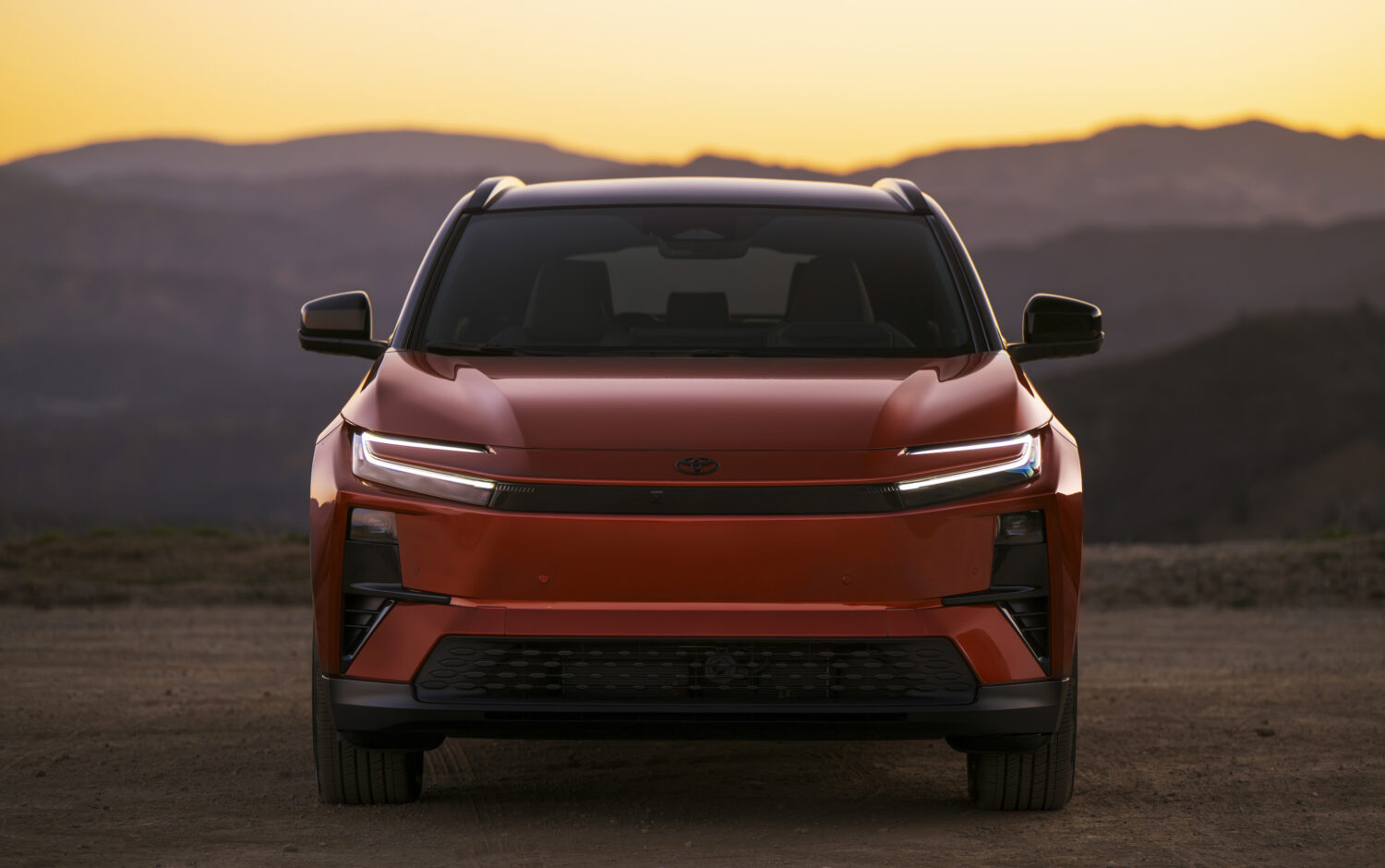
When the Toyota bZ4X (thankfully renamed to the bZ later on) first appeared on the scene, it promised a bold push into EVs by the company with this inaugural model being followed later by the bigger bZ Woodland which signaled Toyota’s willingness to explore sub-niches of the EV market.
While the Woodland is focusing on the trail, the 2026 C-HR is adding a sporty twist to these efforts, reinventing the proverbial wheel for the C-HR as it transforms from a weird looking mediocre CUV into an all-electric model for 2026 that’s sportier than ever.
Sporty C-HR embraces new identity

The 2026 C-HR continues to embrace style but this time around, the look is more unified and it helps give the CUV a more modern aesthetic than it did before. The front end loses its odd lower front panel and instead gets a sportier cleaner look that helps bring it in line with its two bZ siblings.
Unlike its teammates, the C-HR is 3.9 inches shorter in wheelbase and is also shorter in height too. The side profile reveals the C-HR has retained its trick hidden door handles but the rear lighting is sharper and now fully embraces a full width light bar.

The interior is also largely copied and pasted from the bZ with the dashboard and control layout all being the same. Different materials are on hand however and some of them help give the EV plenty of curb appeal. This is also true when you consider this C-HR is also sold as the C-HR+ in international markets.Te front seats get extensive amounts of SofTex leather and a new synthetic suede material that helps keep occupants secure in spirited driving. A 14.0-inch touchscreen infotainment system is also available and when viewed as a whole, this C-HR is a notable improvement over the outgoing one.
More power equals more fun
The headline here is the C-HR’s all-electric powertrain with the bigger bZ Woodland letting the newcomer borrow its more potent dual-motor setup which makes a combined system output of 338 hp which is slightly less than the Woodland’s 375 combined hp.
That’s more power than the GR Corolla and Toyota says the CUV can make the sprint to 60 mph in 4.9 seconds. We look forward to seeing how the EV measures up in a future drive but the numbers as well as the SE’s 287 miles of range suggest this C-HR is ready to stop playing games and embrace its role as a CUV more seriously. The XSE only sees a minor range penalty with those models getting 273 miles on a single charge.
Slimmed down C-HR trim ladder

For now, Toyota didn’t reveal full pricing, but the firm did confirm the model will now be available in only two rim levels; SE, and the sportier XSE with the XSE starting at $37,000 before fees. This slimmed down trim ladder allowed the company to be more generous with standard equipment and the SE is a firm reflection of this thanks to its healthy list of standard equipment including rain-sensing wipers, a power liftgate, heated front seats, and an advanced suite of safety features.
The XSE only adds a few things extra but safety conscious buyers will be very pleased with the added Traffic Jam and Lane Change Assist Systems and the Panoramic View Monitor. Look for the first wave of C-HR models to begin making their way to showrooms in March.


Leave a Reply